Power Solutions

Fast-Track Power Generation Solutions

CIS Power USA helps structure deployment paths for projects where power availability affects operations, commissioning, revenue, or infrastructure schedules.

Request Current Availability

Deployment Scenarios

Power Strategies for Mission-Critical Loads

This page focuses on how CIS Power approaches the problem: bridge power, backup power, remote prime power, grid support, packaged plants, and microgrid systems.

Mobile gas turbine package staged with power cables

Bridge & Temporary Power

For projects that need usable power before permanent infrastructure is ready, CIS Power can help review modular generation blocks, mobile turbines, and temporary power packages.

  • Compressed timelines
  • Phased capacity
  • Grid-delay support
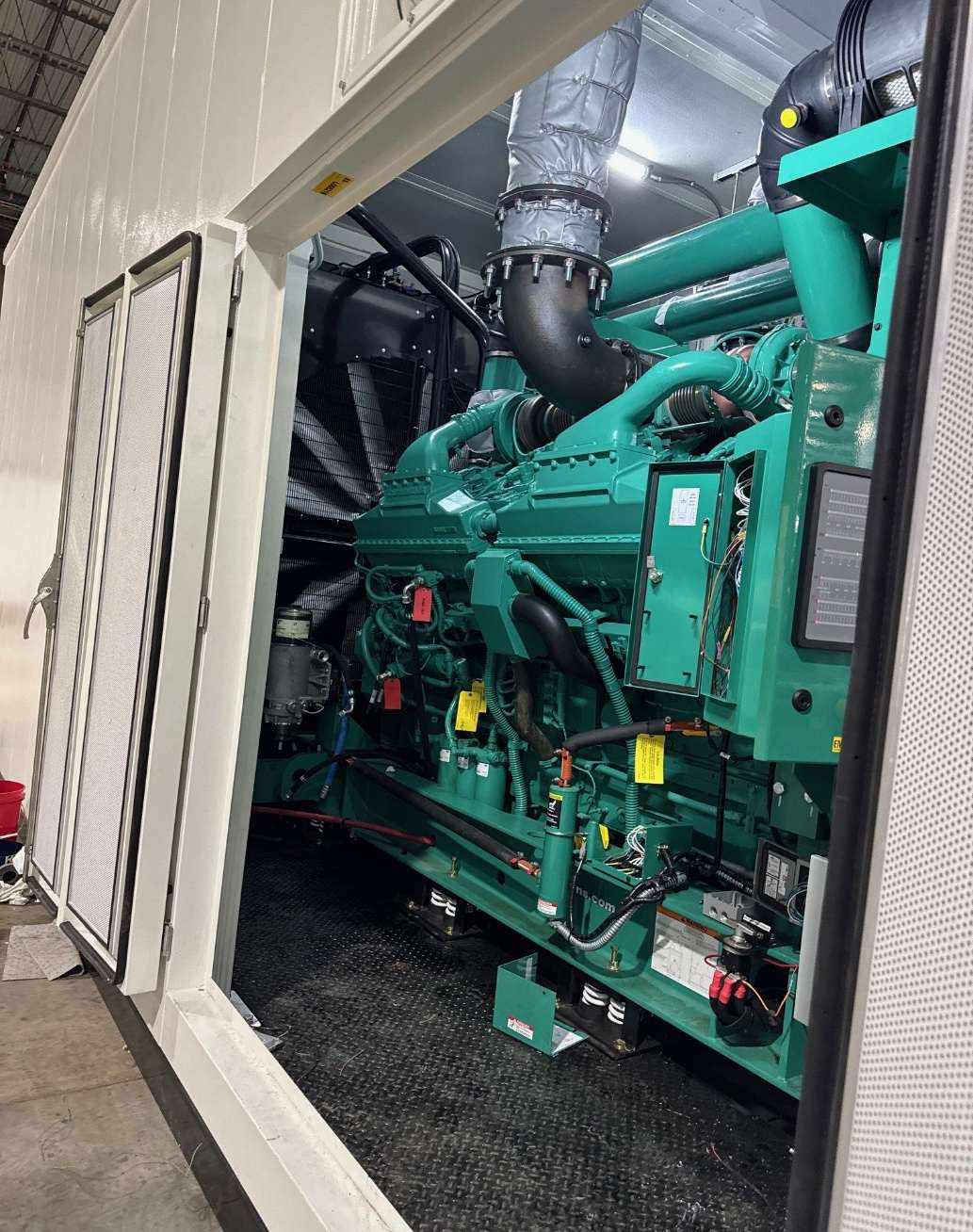
Power module inside enclosure

Data Center Standby & Expansion

For AI, hyperscale, and grid-constrained facilities, CIS Power can help evaluate standby, prime, and bridge-power approaches around capacity, redundancy, and schedule.

  • Backup generation
  • Capacity bridge planning
  • Voltage and switchgear fit
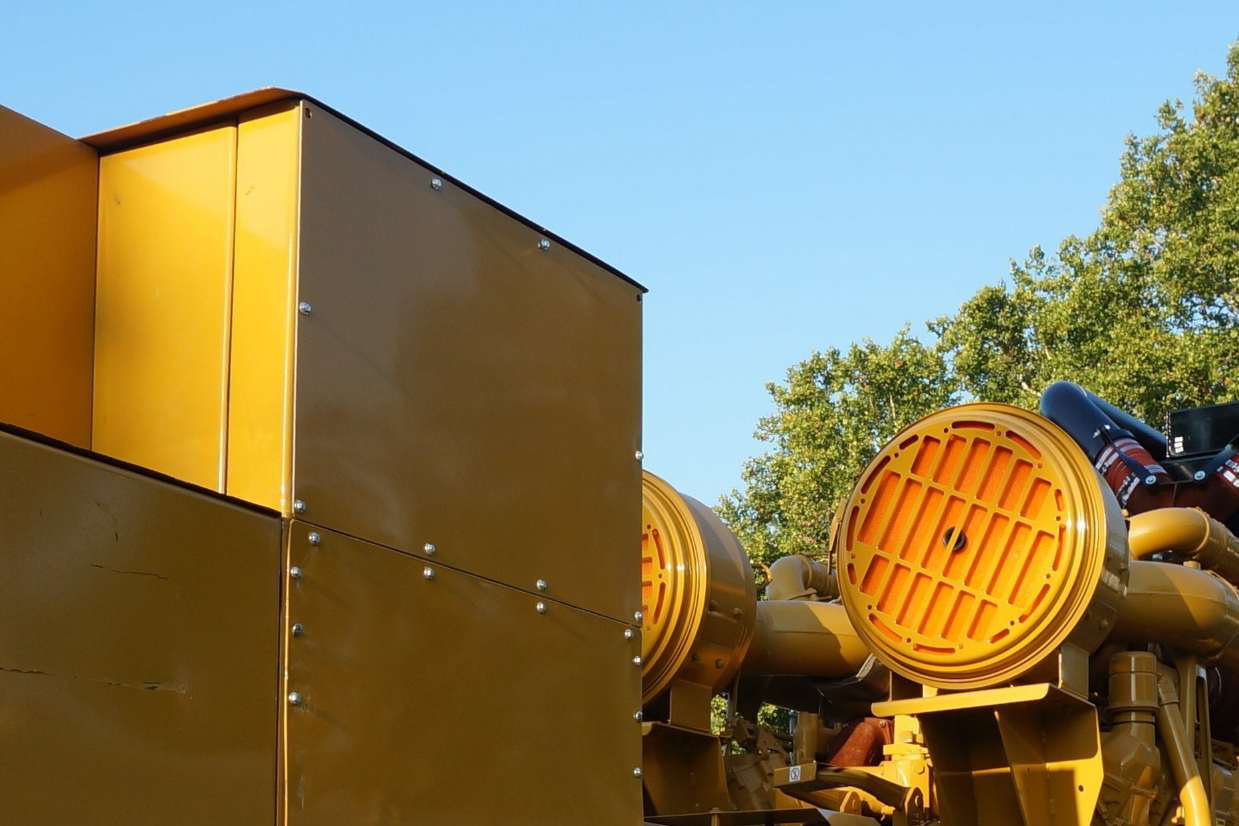
Straight side view of natural gas generator package at sundown

Prime Power for Remote Operations

Remote industrial, mining, oil and gas, and infrastructure projects may require generation strategies around runtime, fuel logistics, duty cycle, and service access.

  • Longer-run profiles
  • Diesel or natural gas review
  • Remote-site deployment planning
Packaged power plant with generation modules and switchgear

Utility Grid Support

Temporary capacity, contingency power, mobile turbines, and modular generation can support grid operators and utilities facing urgent capacity or reliability needs.

  • Rapid grid support
  • Megawatt-scale blocks
  • Simple-cycle turbine review
Integrated generator system

Packaged Power Plants

For larger or more complex projects, CIS Power can help coordinate generation equipment with switchgear, controls, fuel systems, enclosures, and balance-of-plant planning.

  • Integrated system planning
  • Paralleling and controls
  • Fuel and enclosure strategy
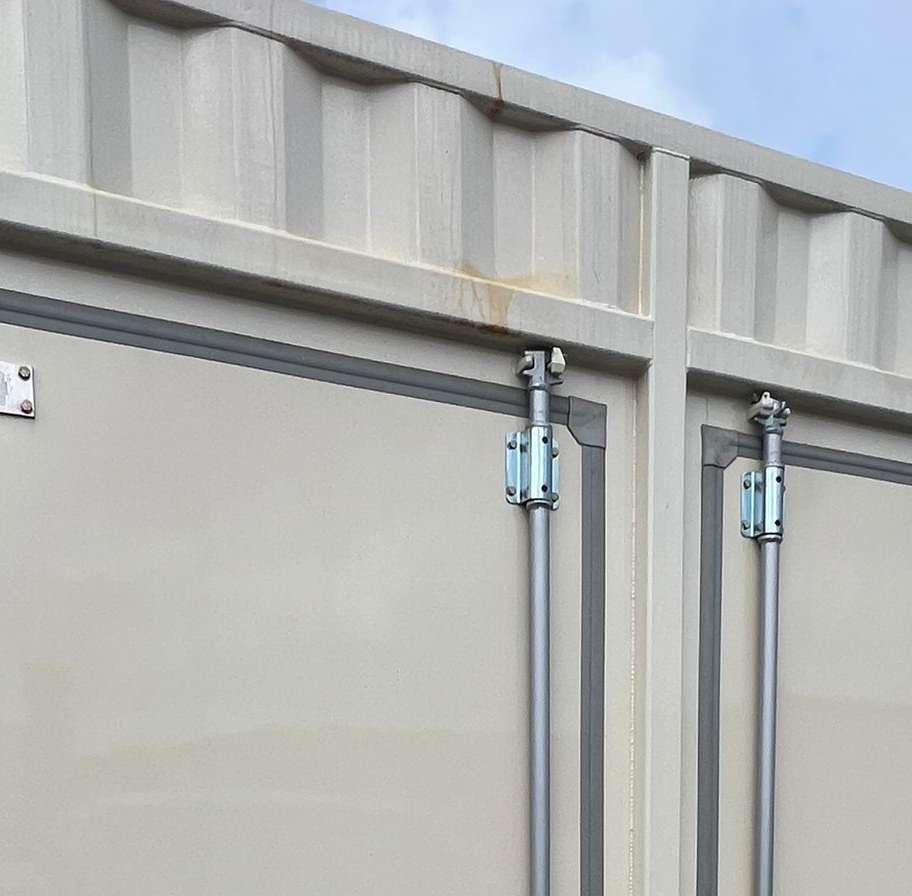
Sound attenuated power module

Microgrid & Energy Systems

For sites that need resilience, controls, or phased growth, CIS Power can support planning around microgrid controls, storage, CHP, utility integration, and modular generation.

  • Resilience planning
  • Storage and controls review
  • Utility integration support

Execution Path

From Requirement to Deployable Power

CIS Power starts with the operating requirement, then narrows the practical path across configuration, equipment availability, site constraints, logistics, and deployment timing.

01Define the use case: bridge, standby, prime, grid support, remote operation, or integrated plant.
02Map the technical approach: load, voltage, frequency, fuel, controls, site constraints, and duty cycle.
03Connect the solution path to current equipment options, logistics, schedule, and deployment support.

Where It Fits

Built for Compressed Timelines and Critical Loads

CIS Power solutions are intended for projects where power availability affects operations, revenue, commissioning, or infrastructure schedules.

Data Centers

Rapid power for hyperscale and edge facilities.

Mining

Reliable power in remote and harsh environments.

Electrical Utility Grid

Capacity support, peaking, and backup.

Oil & Gas

Field-ready power for upstream and midstream operations.

International Projects

Equipment sourcing, phased deployment planning, logistics coordination, and localization-oriented support.

Solution Fit

Direct Answers for Procurement and Engineering Teams

Technical buyers need clear, specific answers. These questions summarize when CIS Power solutions may fit and what information is needed to begin a serious review.

Question Short Answer Typical Project Inputs
When should a project consider bridge power? Bridge power may fit when permanent utility service, interconnection, or plant infrastructure will not be ready before operations need usable power. Required MW, start date, expected bridge duration, load profile, site access, voltage, frequency, and fuel availability.
What matters for data center power? Data center projects usually need early review of redundancy, switchgear, fuel strategy, commissioning schedule, emissions, and phased capacity. IT load, N/N+1 target, voltage, expansion schedule, standby or prime use, fuel plan, and utility timeline.
When do mobile turbines make sense? Mobile turbines can fit large fast-track power needs, utility support, contingency capacity, and projects where rapid deployment is more important than a permanent plant design. Megawatt block size, fuel availability, site conditions, interconnection method, duration, and logistics constraints.
What makes a packaged power plant different? A packaged power plant combines generation equipment with practical support systems such as controls, switchgear, fuel systems, enclosures, transformers, and balance-of-plant planning. Plant size, generator or turbine preference, controls strategy, fuel infrastructure, emissions limits, transformer needs, and delivery schedule.

Project Review

Send the Power Requirement

Include capacity, voltage, frequency, project location, fuel preference, required timeline, duty cycle, site constraints, and any preferred equipment models or configurations.